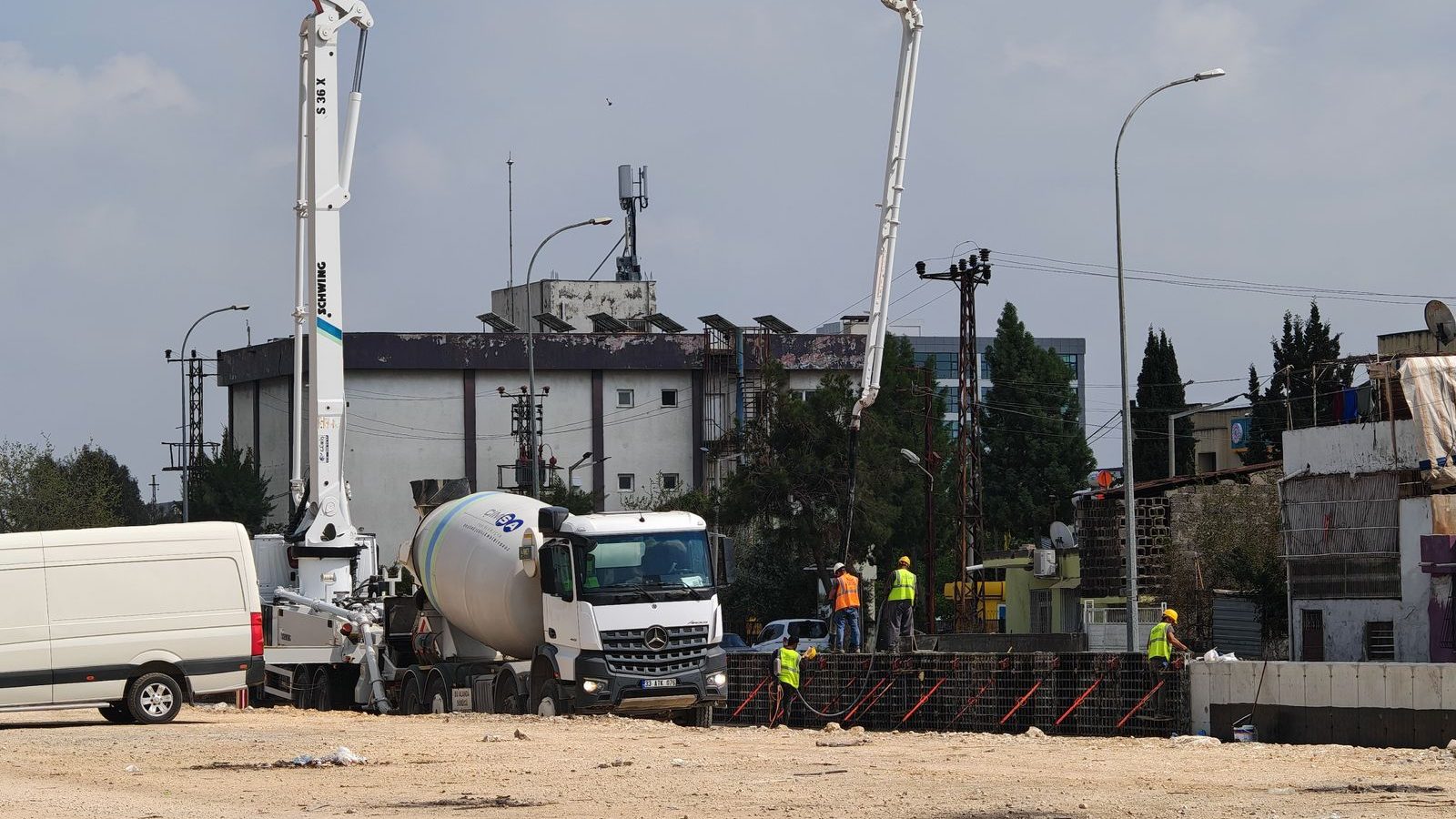
The UAE construction market moves fast. Projects are large, schedules are tight, and customers expect reliable supply and accurate paperwork. For the companies that supply materials to these projects, running the business on spreadsheets and disconnected tools quickly becomes a limit on growth.
That is why more UAE businesses are investing in an ERP. This guide explains what to look for in an ERP UAE solution, why industry fit matters, and how concrete and construction material producers can choose a system that works from day one.
Why UAE Businesses Need an ERP
An ERP (enterprise resource planning) system brings sales, operations, inventory and finance into one platform. In the UAE, several factors make this especially valuable:
- Fast-growing, competitive market. Companies that respond faster and invoice more accurately win repeat business.
- Multiple sites and branches. Many businesses operate across Dubai, Abu Dhabi, Sharjah and other emirates, and need one consolidated view.
- Tax and compliance requirements. VAT, corporate tax reporting and e-invoicing all depend on clean, traceable transaction data.
- Large project-based customers. Contractors and developers expect precise delivery records, statements and documentation.
- Pressure on margins. Material costs, fuel and labour all push businesses to find efficiency inside their operations.
An ERP does not remove these pressures, but it gives management the visibility to respond to them.
What an ERP UAE Solution Must Support
Not every ERP is suited to the UAE market. When comparing options, check for the following:
- Local tax and e-invoicing compliance. The UAE is rolling out FTA e-invoicing, and businesses need a system that generates compliant invoices as part of normal billing. VAT handling should be built in, not added through manual workarounds.
- Multi-branch and multi-company support. Groups need to manage several entities, plants or branches with consolidated reporting.
- Multi-currency and project costing. UAE businesses often trade across borders and bill by project, so costing and currency handling must be reliable.
- Strong reporting. Management needs live dashboards for sales, stock, receivables and profitability, not static month-end reports.
- Integration with operational systems. In industries like concrete, the ERP must connect to plant equipment, vehicle tracking and customer portals, not just accounting.
- Local support. A vendor with a presence in the UAE can respond quickly, train staff and understand local business practice.
ERP for Construction Materials in the UAE
Construction material producers have needs that generic ERP systems rarely cover well. Think about a ready-mix plant:
- Concrete is produced to order and delivered within a short time window.
- Each batch follows a mix design, and material usage must be controlled.
- Trucks and pumps must be scheduled, tracked and matched to delivery tickets.
- Customers are billed by volume delivered, often with different prices per project.
- Quality records must be traceable back to each load.
Block and precast producers have their own requirements, such as production planning, finished goods stock and dispatch to projects. An ERP built for this sector understands these workflows from the start, while a generic system must be heavily customized to approximate them.
Generic ERP vs Industry-Specific ERP in the UAE
Many companies begin by looking at large, general-purpose ERP products. These can be powerful, but they often come with long implementation times and customization costs when applied to specialized industries.
An industry-specific ERP offers a different path:
- Faster go-live. Standard processes for your industry are already in the system.
- Less customization. Features such as batching integration, delivery tickets and fleet tracking come ready.
- Better user adoption. Screens and terms match how plant and dispatch teams actually work.
- Clearer reporting. Reports are designed around industry measures, such as material variance and trips per truck.
For concrete and construction material businesses, this usually means quicker results and a lower risk of project overruns.
How to Evaluate an ERP UAE Vendor
Before signing, work through this checklist:
- Does the vendor have proven implementations in your industry and in the UAE?
- Is e-invoicing for the UAE and the wider GCC supported?
- Can the system integrate with your plant, vehicle tracking and customer portals?
- Is the solution web-based, so teams can work from the office, plant or site?
- What does training, support and after-hours coverage look like?
- Can the system grow as you add plants, branches or countries?
- Will the vendor demonstrate the system using your real scenarios?
A vendor who is confident in its product will welcome these questions.
Tips for a Successful ERP Implementation
The best software can still fail if the rollout is rushed. These practices help:
- Define goals first. Decide which problems you want to solve, such as faster billing, less wastage or better fleet use.
- Prepare clean data. Customers, items, price lists and opening balances should be reviewed before migration.
- Involve every department. Sales, plant, dispatch, quality and finance should all help shape the setup.
- Train before go-live. Users who understand the system on day one adopt it faster.
- Roll out in stages if needed. Start with one plant or branch, then extend once the process is proven.
- Review after launch. Use the first months to fine-tune reports and workflows.
iREADYSOFT: ERP for Concrete Businesses in the UAE
AKST Global is based in Dubai and has served the concrete industry for more than 25 years. By its own record, it held about 70% of the UAE ready-mix ERP market in 2008, and its solutions have been implemented at more than 500 concrete plants. In 2012 it implemented a ready-mix ERP for Lafarge MENA.
iREADYSOFT is AKST Global's open-source, web-based enterprise solution for the ready-mix, block and concrete industry. It connects production, batching plant, dispatch, fleet, quality, inventory and invoicing in one platform. It is supported by:
- READYSOFT, a vertical ERP for ready-mix, block and business management.
- iREADYSOFT OIMS, a customer access portal for Aramco, integrated with production operations, batching plant, GPS and a technical module.
- E-invoicing support across the UAE and the wider GCC.
With a presence in the UAE and a development, support and fulfillment center in Bengaluru, India, AKST Global supports customers across the UAE, Saudi Arabia, Qatar, Oman, Kuwait and Bahrain, with 24/7 support.
Frequently Asked Questions
What is ERP UAE?
It refers to ERP software suited to businesses operating in the UAE, including support for local tax, e-invoicing and multi-branch operations.
Is ERP only for large companies?
No. Mid-sized plants and trading businesses often see strong results because an ERP replaces manual work they cannot easily scale.
Can a UAE ERP also support operations in Saudi Arabia or Qatar?
A regional vendor can support multiple countries. AKST Global serves customers across the UAE, Saudi Arabia, Qatar, Oman, Kuwait and Bahrain.
Why choose an industry-specific ERP?
Because it already contains the workflows of your sector, which shortens implementation and reduces the need for customization.
How can I see the system before deciding?
Request a demonstration and ask the team to walk through your own scenarios, such as a rush order, a multi-plant report or a month-end billing run.
Final Thoughts
Choosing an ERP in the UAE is a long-term decision. The right system will do more than record transactions: it will give your team live visibility, help you stay compliant and make it easier to grow. For concrete and construction material producers, an industry-built platform with local experience is the safest route to a smooth implementation and a quick return.
Ready to explore ERP for your business? Request a demo of iREADYSOFT, or chat with the team on WhatsApp at +971 54 444 2737.